
Understanding the AVT group interview process
Applying to study with animals is exciting, and we know interviews can also feel a little nerve wracking, especially if you’ve never attended a group interview before.
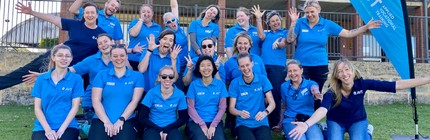
We hold group interviews at AVT to give applicants the opportunity to learn more about the course, meet our team, gain insight into what it’s really like to study in the animal care industry and help us get to know you better.
Whether you’ve applied for one of our Certificate II, Certificate III or Certificate IV level courses, this guide will help you feel more prepared and confident walking into your interview.
Why does AVT hold group interviews?
Working in the animal care and veterinary industry is rarely something you do alone.
Animal care professionals regularly work alongside:
- Veterinary teams
- Rescue and shelter staff
- Trainers and behaviour consultants
- Supervisors and colleagues
- Clients and members of the public
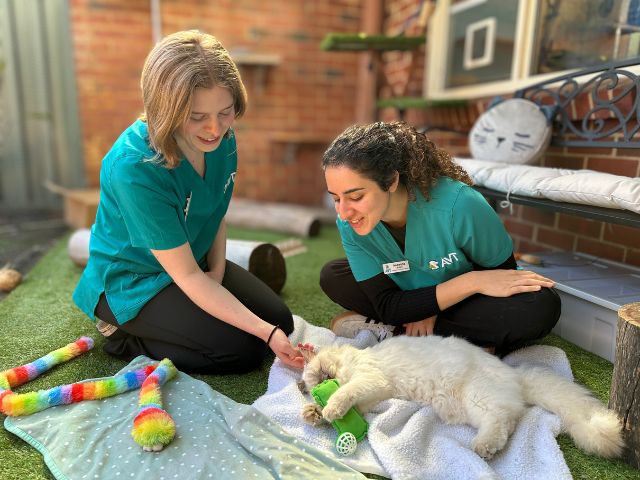
Because of this, communication and teamwork are incredibly important skills in the industry.
Our group interviews help us see how applicants interact in a team environment, communicate with others, listen, problem solve and participate in activities. It also gives applicants the opportunity to meet other people who share similar interests and career goals.
Most importantly, group interviews help us determine whether students are currently ready for the learning environment and course requirements.
What happens during an AVT group interview?
While every course interview may look slightly different…
Most group interviews will include:
- An information session
- An overview of the course and industry
- Group activities
- Opportunities to ask questions
- Discussions with AVT staff
Some of the group activities may involve:
- Teamwork
- Communication
- Problem solving
- Following instructions
- Sharing ideas with others
You are not expected to know everything already, especially for entry level courses. We simply want to see that you are willing to participate, communicate respectfully and engage with the process.
What will help me succeed?
One of the biggest misconceptions about group interviews is that applicants think they need to be the loudest or most confident person in the room. That’s definitely not the case!
The animal care industry brings together people with different personalities, unique strengths and varied approaches to working with animals and people. Some people are natural leaders and communicators, while others are thoughtful listeners, problem solvers or calm team members who help keep things running smoothly.
We understand that everyone communicates differently, and group interviews give applicants different opportunities to demonstrate their strengths.
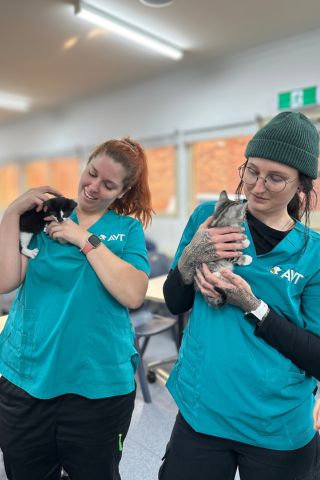
Here are some of the key things we look for during the interview process
Communication skills
Teamwork
Foundation skills
Suitability and readiness for the course
Tips to help you feel prepared
Arrive a little early
Giving yourself extra time can help you settle in and reduce nerves before the session begins
Be willing to participate
You don’t need to have all the answers, but being open to participating and giving things a go can make a big difference
Listen to others
Group interviews are not about competing against other applicants. Respectful listening and teamwork are just as important as speaking
Ask questions
If you’re unsure about something during the interview or information session, ask questions. It shows curiosity and engagement
Be yourself
You do not need to pretend to be someone else during your interview
The animal care industry is made up of many different personalities and strengths, and there is value in thoughtful listeners, calm communicators, problem solvers and supportive team members too.
Remember, nerves are normal! Many applicants feel nervous before attending a group interview, especially if it’s their first interview experience.
Take a deep breath, be open to participating and remember that the interview is also an opportunity for you to learn more about the course and decide whether it feels like the right fit for you.
We’re excited to meet passionate future animal care professionals and help students take the next step toward their goals.
About AVT
We have been training animal care, animal behaviour and training, equine care and veterinary nursing students for over 25 years in Australia. Students who undertake AVT courses range from high school-aged students just starting their pre-vocational journey right through to mature-aged students seeking an alternative career path. Graduates are highly respected and sought after by industry professionals, businesses and organisations. If you want the background knowledge and skills to help you secure your career in the animal care industry, check out our qualifications here or gain new skills by studying one of our short courses.
Start your career working with animals today!
Learn more about our courses
Follow your passion and get a dream job!
About Our Courses