





In 2025, the Veterinary Practice Board of Western Australia (VPBWA) updated the way veterinary nurses are recognised in WA, introducing three recognition pathways: Advanced Veterinary Nurse – Full recognition, Advanced Veterinary Nurse – Student and Advanced Veterinary Nurse – Restricted.
These new professional classifications acknowledge the advanced knowledge, skills and clinical experience demonstrated by many of WA’s veterinary nurses and technologists across WA. They represent an important step towards strengthening patient care standards and aligning veterinary nursing with the evolving needs of modern veterinary practice.
The introduction of these classifications also helps create clearer professional and career development pathways for veterinary nurses in WA. By formally recognising advanced skills and experience, the framework supports ongoing professional growth and highlights veterinary nursing as a developing long-term career within the veterinary industry.
How AVT is supporting Veterinary Nurses
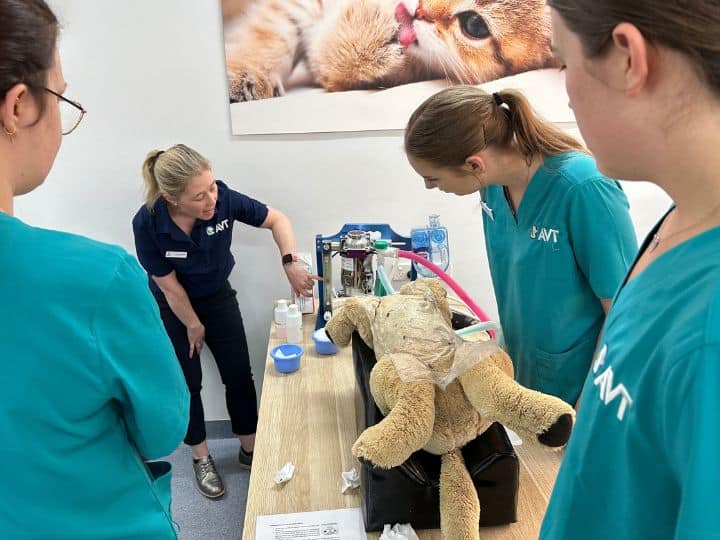
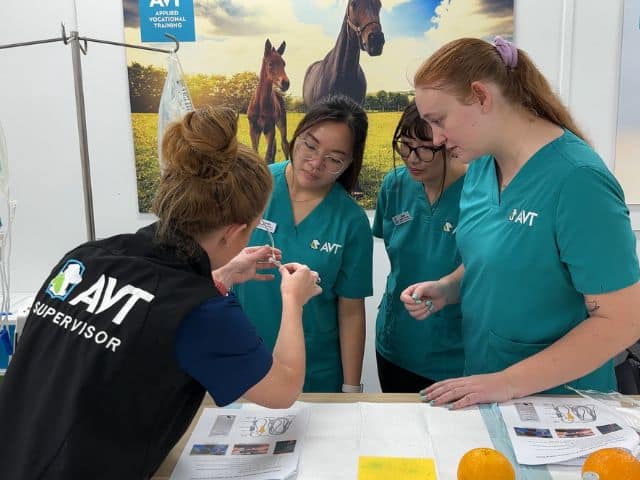
AVT offers online micro-credentials (short courses) to help veterinary nurses strengthen clinical knowledge and practical skills, with further topics in development. Relevant micro-credentials support:
- Knowledge and practical skill development for specified advanced procedures
- Workplace assessment and evidence that can support an application for Advanced Veterinary Nurse – Restricted recognition
- Accrue AVNAT CPD points for continuing education
These learning pathways will help veterinary practices upskill their teams and work towards recognition of veterinary nurses.
They are also ideal for veterinary nurses across Australia seeking continuing education opportunities, and all courses are eligible for AVNAT CPD (Veterinary Nurses Council of Australia) points.
AVT training opportunities
Micro-credentials
Explore AVT’s short micro-credential courses designed to help veterinary nurses strengthen practical skills, support patient care and continue their professional development.
Typically, courses take about 4 hours per topic and include a straightforward practical activity to demonstrate newly developed skills and knowledge.
Clinical procedures
Patient care & monitoring
What does this mean for WA Veterinary Practices?
Advanced recognition affects which procedures veterinary nurses are authorised to perform and the veterinary supervision required. Some procedures require advanced recognition, while others are already permitted for general veterinary nurses under personal supervision, with advanced recognition allowing direct supervision instead.
Practices should review each nurse’s registration, recognition status and approved duties to ensure they meet the Veterinary Practice Board of WA’s requirements and provide the required veterinary supervision.
Steps to Support Your Veterinary Nursing Team
Review your Veterinary Nursing Team
Review your veterinary nursing team’s current qualifications and experience.
Read the Guidelines
Identify Eligible Team Members
Identify nurses who may already qualify for Advanced or Restricted recognition.
Support and Encourage Applications
Encourage eligible nurses to apply for professional recognition.
Create a Training Plan
Identify training gaps and future development opportunities for other nurses.
What is an Advanced Veterinary Nurse?
An Advanced Veterinary Nurse is a registered veterinary nurse who has completed a higher-level qualification (such as a Diploma or Bachelor’s degree) and has received full recognition from the Board.
This recognition formally identifies veterinary nurses who possess advanced competence and can safely perform a wider range of clinical duties within veterinary practices.
Full recognition permits advanced acts subject to the veterinary supervision required for each act.

What is an Advanced Veterinary Nurse – Restricted?
Advanced Veterinary Nurse – Restricted recognition provides an opportunity for experienced veterinary nurses who do not hold a Board-approved higher-level qualification to gain recognition for their advanced skills.
To qualify, applicants must:
- Hold a Certificate IV in Veterinary Nursing or a recognised equivalent.
- Have been registered as a general veterinary nurse and worked in veterinary clinical practice for at least five years.
- Provide evidence of 10 hours of CPD completed within the previous 12 months.
- Obtain a declaration from their clinic’s veterinary supervisor confirming their competency and skills to perform, or be trained in, the nominated advanced acts, with justification for why these acts or changes to supervision level are needed at the practice.
For full requirements, visit the Veterinary Practice Board of WA’s Advanced Veterinary Nurse recognition page.
What is an Advanced Veterinary Nurse – Student?
Advanced Veterinary Nurse – Student recognition is available to registered general veterinary nurses studying a Board-approved higher-level qualification that leads to full recognition. To qualify, applicants must:
- Provide proof of enrolment in a Board-approved qualification.
- Obtain a declaration from a supervising veterinarian confirming their competency and skills to perform, or be trained in, advanced acts of veterinary medicine.
Approved applicants may perform advanced acts under personal veterinary supervision. Recognition is valid only while enrolled in the approved qualification.
For full requirements visit the Veterinary Practice Board of WA’s Advanced Veterinary Nurse recognition page.
important note
Applicants must meet the Board’s eligibility and application requirements and receive approval for the relevant acts and supervision levels.
Specific titles (such as Advanced Veterinary Nurse), supervision levels, and authorised procedures are strictly regulated by the VPBWA and vary by recognition pathway. Because board guidelines are updated periodically, always refer directly to the official VPBWA AVN Guidelines for current application criteria, title usage rules, and approved acts.
Completing an AVT micro-credential does not automatically grant Board recognition or authorise a veterinary nurse to perform advanced acts, you must also meet the Board’s requirements.
For more information, please see the Application for Recognition of Advanced Veterinary Nurses page.
Stay informed
AVT will continue to share information and guidance to help veterinary nurses and practices stay prepared.
Subscribe to AVT updates to stay informed about new micro-credentials and short format programs.
Be the first to stand out
Register to be notified about AVT’s micro-credentials