Home » Short Courses » Inserting an Endotracheal Tube for Advanced Veterinary Nurses
Our Advanced Veterinary Nursing micro-credential on inserting an endotracheal tube is designed for veterinary nurses working in clinical practice who wish to strengthen their airway management knowledge and develop confidence in endotracheal intubation during small animal anaesthesia.
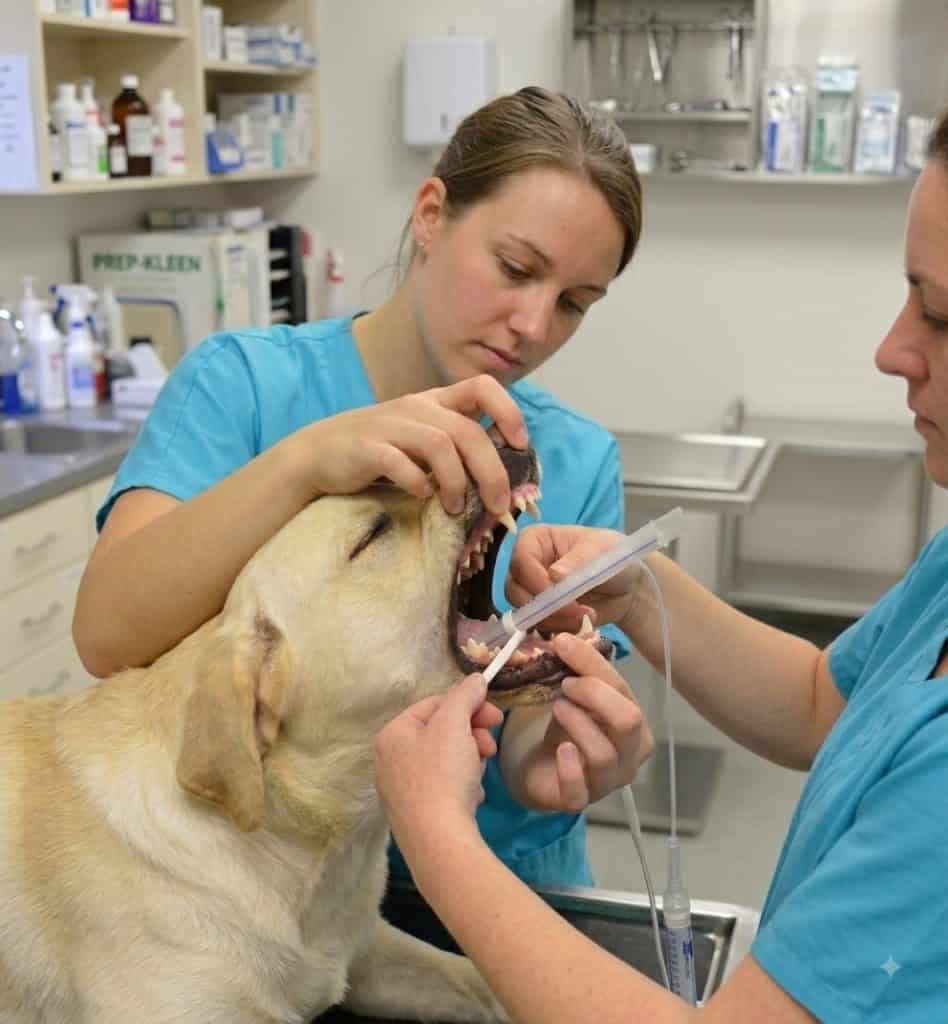
This practical online course explores airway anatomy and physiology, equipment preparation, patient positioning, tube selection, endotracheal intubation techniques, cuff inflation and confirmation of correct tube placement to support safe anaesthetic care.
For WA-based nurses, this course may support an application for Advanced Veterinary Nurse – Restricted recognition through the Veterinary Practice Board of WA.
Recognition is not automatic upon course completion and additional eligibility and application requirements apply. Refer to our FAQ for details.

Focused, clinically relevant learning for veterinary nurses
VNCA AVNAT recognised continuing professional development.
Delivery & Assessments
Learn endotracheal intubation, airway management and endotracheal tube placement at your own pace.
Access your studies anytime through our Online Learning Platform, featuring procedure demonstrations, resources and assessments
Undertake online quizzes plus practical task sign-off under veterinary supervision at work to ensure safe clinical application
Completion Time
CPD: 2-3 hours
As a general guide, students who study around 1 hour per week typically complete the course within 1 month. This includes approximately 2-3 hours of theory, plus time to complete and have your practical task signed off
You’ll have up to 12 months to complete the course, allowing flexible study around work and clinical commitments
Practical Expectations
Our micro-credentials are thoughtfully designed by experienced veterinary professionals who understand the realities of clinical practice. Our content is intentionally comprehensive – thorough where it needs to be – and created to develop genuine competence, not just surface knowledge.
That’s why each course integrates theory with practical application, including short workplace assessments signed off by your supervising veterinarian.
WA based vet nurses looking to gain recognition as an "Advanced Veterinary Nurse - Restricted" as part of the new Veterinary Practice Board of WA framework.
Veterinary nurses working in general practice, emergency hospitals or referral settings who assist with airway management and small animal anaesthesia.
Veterinary nurses wishing to build or refresh their knowledge of endotracheal tube selection, placement and airway management.
Nurses seeking continuing professional development (CPD) hours through targeted, clinically focused professional development.
Anaesthesia skills are not required, just a willingness to learn and apply the skills under veterinary supervision.
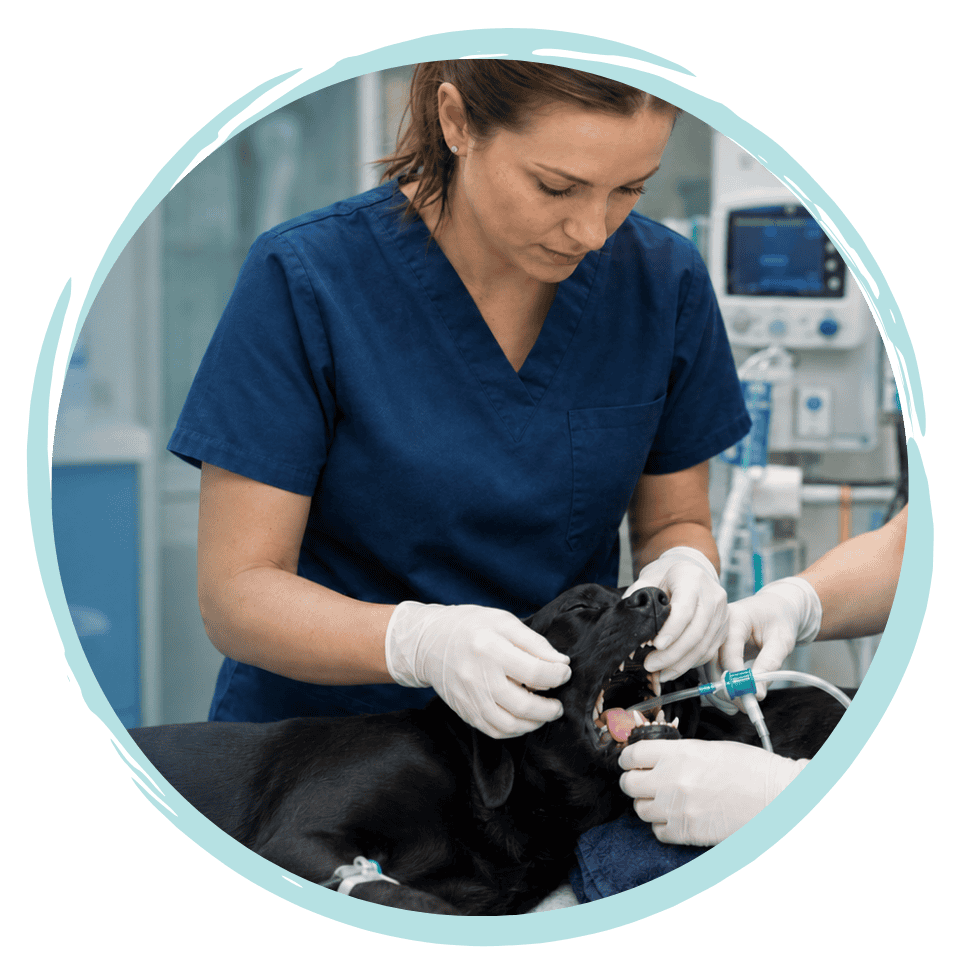
Develop the knowledge and practical skills required for safe endotracheal tube placement in small animal patients. Throughout this course you’ll explore airway management, patient preparation, equipment selection, intubation techniques, cuff management and confirmation of correct tube placement.
Key concepts and techniques covered
Maintaining a secure airway is an essential component of safe anaesthesia. Veterinary nurses play an important role in preparing equipment, supporting endotracheal intubation and recognising potential airway complications to promote positive patient outcomes.
In clinical practice, you’ll be able to:
Limited time only: $99
Introductory launch price (save $48)
*Published price: $225, limited time only $147 micro-credential fee, inclusions are subject to change. If you decide to withdraw from study for any reason, refunds are not issued. Please see our policies page for full details.
"The trainers and assessors are experienced professionals in the industry and they pull from first-hand experience along with always being updated to the gold standards of the practice. They are continuously updating their references and teaching materials as the industry expands."
- Amariah P (Google Review)
Your enrolment and payment is processed
You will receive login details and access to course materials
Our courses are developed by our AVT experienced veterinary professionals in conjunction with industry experts.
Gain clinically relevant Urinary Catheterisation skills you can use with real patients for your very next shift.
For vet nurses with busy rosters who find it difficult to step away from their responsibilities.
Receive an AVT Certificate of Completion from Australia’s most respected veterinary nursing training organisations.
An AVT micro-credential is a short online course that allows you to develop specialised skills that are in high demand by animal care and veterinary employers and organisations. We have created our micro-credentials to be short, manageable, and affordable so you can easily fit them into your schedule and budget.
Key features of an AVT micro-credential include:
Whilst micro-credentials are not nationally recognised units of study, they do cover important skills and knowledge gaps not covered in the formal veterinary nursing qualification.
Yes you can! You do not need to be an AVT graduate to enrol in our micro-credentials.
Our advanced veterinary nursing micro-credentials are open to qualified or experienced veterinary nurses from a range of recognised training organisations including TAFEs across Australia.
Yes. You can start an AVT micro-credential while you are not currently working in a practice.
Many students choose to begin while on maternity leave, career breaks, or between roles to keep their knowledge up to date.
You can complete the theory component first, then complete the practical assessments once you have access to a suitable veterinary practice.
You will still need clinic or hospital access to complete the practical requirements, including the required equipment, patients and a supervising veterinarian.
All course requirements must be completed within a year of enrolling in the course.
This question specifically relates to Western Australian based veterinary nurses.
No. Completing an eligible AVT micro-credential does not automatically result in Advanced Veterinary Nurse – Restricted (AVN-R) recognition.
To apply for AVN-R recognition through the Veterinary Practice Board of WA, a veterinary nurse must also have completed at least 10 hours of relevant continuing professional development (CPD) within the previous 12 months. The veterinary practice where the nurse works must provide the Board with reasons explaining why the recognition is required for that particular practice.
Veterinary nurses must receive AVN-R recognition from the Board before performing any restricted acts of veterinary medicine. View the latest restrictions: Veterinary Practice Board of WA website.
Completing one of these micro-credentials does not, by itself, authorise a veterinary nurse to perform the procedure. All procedures must also be undertaken in accordance with the conditions of the nurse’s recognition, veterinary supervision requirements and workplace protocols.
For current eligibility and application requirements, visit the Veterinary Practice Board of WA website.
Qualification requirements
To apply, you’ll need to provide evidence of your Certificate IV in Veterinary Nursing (or equivalent qualification).
Studied through another provider?
That’s completely fine. AVT accepts students who have completed their veterinary nursing qualification through other recognised training organisations or TAFEs.
Current employment
A majority of our micro-credentials are designed for qualified veterinary nurses working in clinical practice. If this applies to the course you have chosen, you’ll be asked to provide details about your current role and workplace as part of your application.
Workplace access*
You’ll need access to a veterinary clinic where you can complete the practical components of the course.
Practical assessment and sign-off*
Each micro-credential includes a workplace-based practical component. A veterinarian at your clinic will be required to supervise and sign off on your practical tasks to ensure they are completed safely and to industry standard.
In Western Australia, some advanced veterinary nursing skills are now recognised under the Advanced Veterinary Nurse classifications. However, the ability of a veterinary nurse to perform these procedures remains at the discretion of the supervising veterinarian, workplace policies, and the legislation that applies in each state of Australia.
Because these courses include workplace-based practical components, students need the support of their veterinarian and clinic team to complete the required practical tasks and competency sign-offs. In most cases, competency is developed over time through repeated practice and workplace supervision.
If your current clinic and supervising veterinarian does not support veterinary nurses performing these procedures, or if these skills are not considered appropriate within your state or workplace setting, the practical requirements of the course may unfortunately be difficult to complete.
At this stage, AVT does not arrange external practical placements or hospital-based training for these advanced skills, as competency development relies heavily on ongoing workplace supervision, trust, and repeated practical experience within a student’s own clinic environment.
Yes – absolutely. If your clinic is covering the cost of your course, we can issue a tax invoice directly in the practice’s name so they can process the payment through their regular accounts system. Just let us know at the time of enrolment so we can adjust your payment details. Some conditions may apply for funded qualifications.
AVT offers two types of short courses:
View our full list of Short Courses →
For students living outside Australia:
To get the most out of your studies, you’ll need a reliable device that you feel confident using. Throughout your course, you’ll be accessing online learning platforms, submitting assessments, downloading resources and working with standard software, so having the right setup will make everything smoother.
We strongly recommend using a laptop, rather than a tablet, as this will give you the best experience when completing assessments and accessing course materials.
While both Windows and Mac devices can be used, we suggest Microsoft Windows as the preferred operating system, as it offers the smoothest compatibility with the software and platforms used throughout your course.
Recommended device specifications
Required software
Additional capabilities (maybe required for some courses)

Because we specialise in animal care, behaviour and veterinary training - everything you will learn is based on real industry needs and demands!

91% of AVT graduates are satisfied with their training experience, and 83% were employed after training (NCVER, 2025).
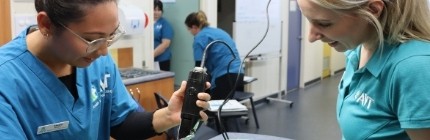
Students consistently tell us how supported they feel. Our trainers are here to guide you and answer your questions and help you stay on track.