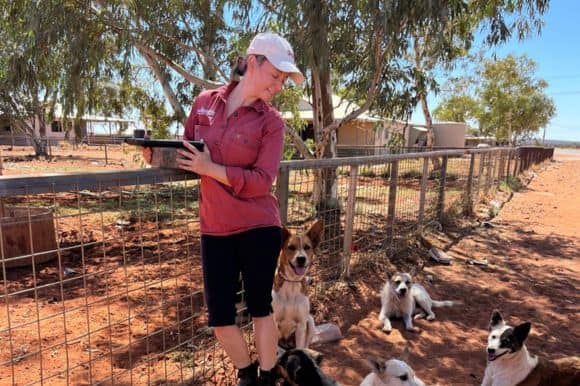
Inspiring Veterinary Nurses: Aimee’s journey beyond the clinic
AVT graduate Aimee shares how her career has taken her from general practice to canine rehabilitation, remote veterinary work and running her own business.

If you’re passionate about canine behaviour and ready to tackle more complex behavioural challenges, a career as a dog behaviour consultant could be your next step.
This role or job title is used interchangeably with canine behaviour consultant, a behaviour modification specialist, dog behaviour advisor, advanced dog trainer or even in its simplest terms, a dog behaviour trainer. Whatever the choice of title, these professionals are highly skilled in analysing, understanding and modifying serious or persistent behaviour issues using advanced behaviour science and positive reinforcement techniques.
Dog behaviour consultants often work as part of a team, particularly on complex cases involving anxiety, aggression or reactivity related behaviours. In many situations, these cases are managed in collaboration with Veterinary Behaviourists (VBs), combining behaviour modification with medical management when needed. The goal is to provide long-term, sustainable outcomes for both dogs and their owners.
Becoming a dog behaviour consultant is a meaningful way to make a lasting difference in the lives of dogs and the people who love them. Many pet owners struggle with complex behavioural problems that can affect the dog’s quality of life and place immense stress on the household.
Some cases require more than basic training; they require a deep understanding of behavioural science, the ability to develop tailored strategies and a collaborative approach with veterinary teams.
As a dog behaviour consultant, you’ll help bridge that gap, empowering owners with strategies to support long-term behavioural change and strengthen the bond between dogs and their owners.
Behavioural issues are one of the most common reasons dogs are surrendered or euthanised. Dogs living with anxiety, aggression or reactivity related behaviours often require professional help beyond basic training.
In many of these cases, dog behaviour consultants work closely with VBs to ensure a holistic approach, combining behaviour modification plans with appropriate medical treatment when needed. These collaborative relationships are essential for long-term behavioural success and positive welfare outcomes.
Dog behaviour consultants are also educators, not just of owners, but of the broader industry. They share their expertise with veterinary teams, rescue groups, physiotherapists, and other professionals to help raise industry standards and improve animal outcomes across sectors.
The daily responsibilities of a dog behaviour consultant can vary, but often include:

This career path requires a strong foundation in animal behaviour and a specialised skill set, including:
Strong understanding of behavioural theory, learning principles, conditioning, and emotional states
Evaluating case complexity and integrating research into practice
Supporting owners through emotionally difficult challenges
Confidently educating both individual clients and professional audiences
Working with VBs, veterinary staff, rescue organisations and other animal professionals
Managing long-term cases and tailoring strategies to meet each dog's unique needs
Dog behaviour consultants can operate in a variety of settings:
Running your own consultancy or working within a training organisation
Supporting clinics in assessing and managing behaviour referrals
Designing rehabilitation programs to improve adoption outcomes
Advising veterinary teams, rescue staff and animal organisations on management, welfare and training
Leading seminars, webinars and conference presentations
Expanding your reach through digital consultations and group learning
As awareness of canine mental health and emotional wellbeing increases, so too does the demand for professionals who can support dogs with more complex behavioural challenges. More and more pet owners are seeking qualified support for cases that go beyond basic manners or puppy training.
Veterinary clinics, veterinary behaviourists and rescue organisations are also turning to dog behaviour consultants for collaboration on advanced cases. There is a growing need for professionals who can confidently work alongside vets and allied professionals, apply the latest scientific research, and design ethical, evidence-based behaviour modification strategies.
If you’re ready to take on more complex behaviour cases, advancing your career as a dog behaviour consultant is a natural next step.
AVT’s Canine Behaviour Consultant Course is designed specifically for graduates of the ACM40322 Certificate IV in Animal Behaviour and Training who want to deepen their knowledge and gain the confidence to manage advanced client cases.
This 6-month program is designed to build your confidence in managing complex cases and expand your consultation and communication skills. You’ll engage with:
Whether you’re aiming to work alongside veterinary behaviourists, support rescue rehabilitation programs or offer specialised consultancy services, this course will equip you with the tools, strategies and credibility to take your behaviour career to the next level.
AVT graduate Aimee shares how her career has taken her from general practice to canine rehabilitation, remote veterinary work and running her own business.
A proposed Tasmania intake of the ACM40322 Certificate IV in Animal Behaviour and Training is now open for Expressions of Interest.

In our annual ceremony, we proudly celebrated the achievements of our AVT Veterinary Nursing graduates of 2025. This special and emotional occasion recognised the dedication and hard work of our students as they were surrounded by trainers, family and friends.